 |
|
|
|
|
|
|
|
|
|
|
|
|
|
|
|
|
|
|
|
|
|
|
|
|
|
|
|
|
|
"Painting" Chinese |
|
|
|
BACK TO DATE PAGE |
|
|
|
|
|
As I've mentioned before, my Chinese teacher in New York City this past summer told us that learning Chinese was like singing and painting. I've already talked about the tones, so now it's time to talk about the characters. They have an etymology that can be quite fascinating. Here are a few of my favorites: |
|
|
 |
|
 |
|
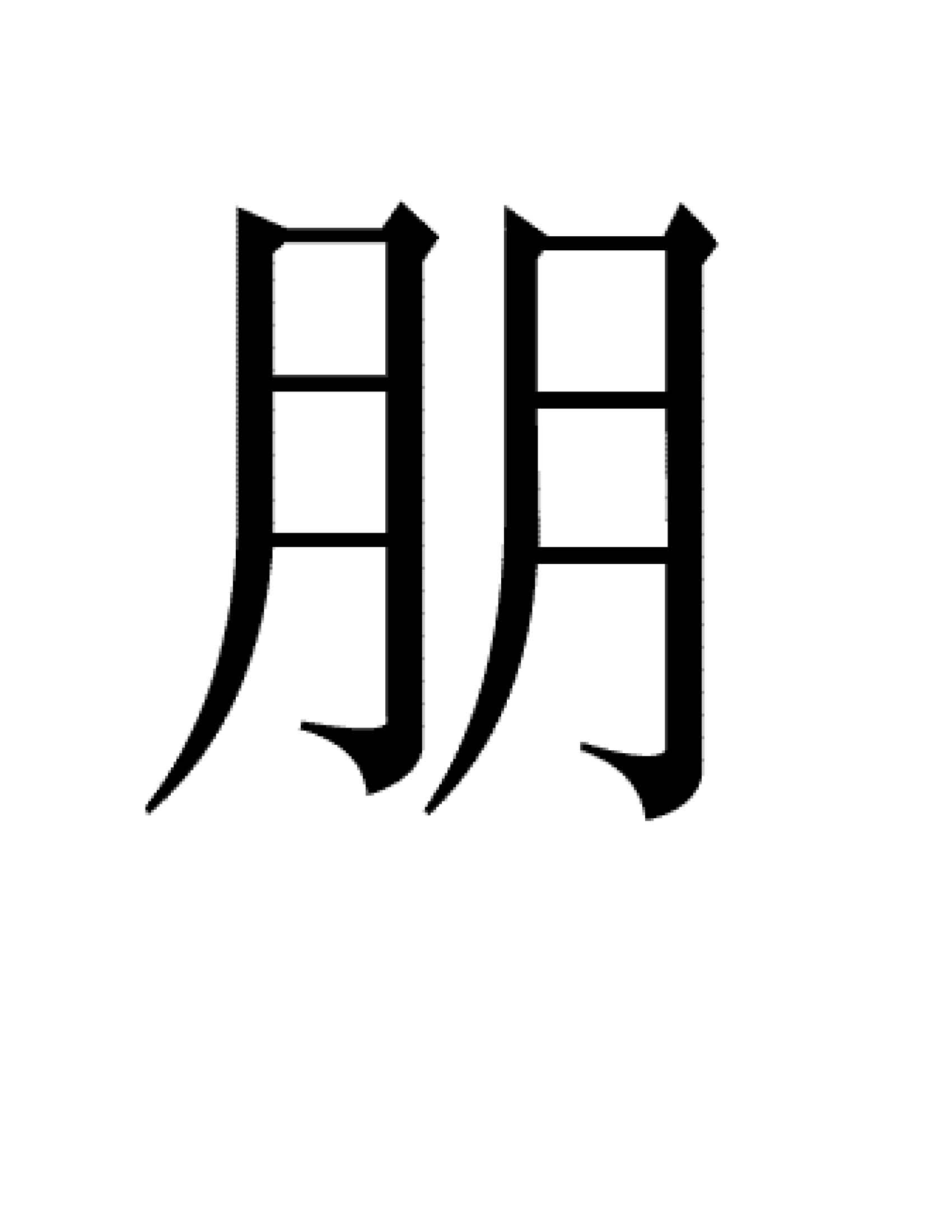
And two moons together form the character for "friend." Friends reflect the light from each other. |
|
|
|
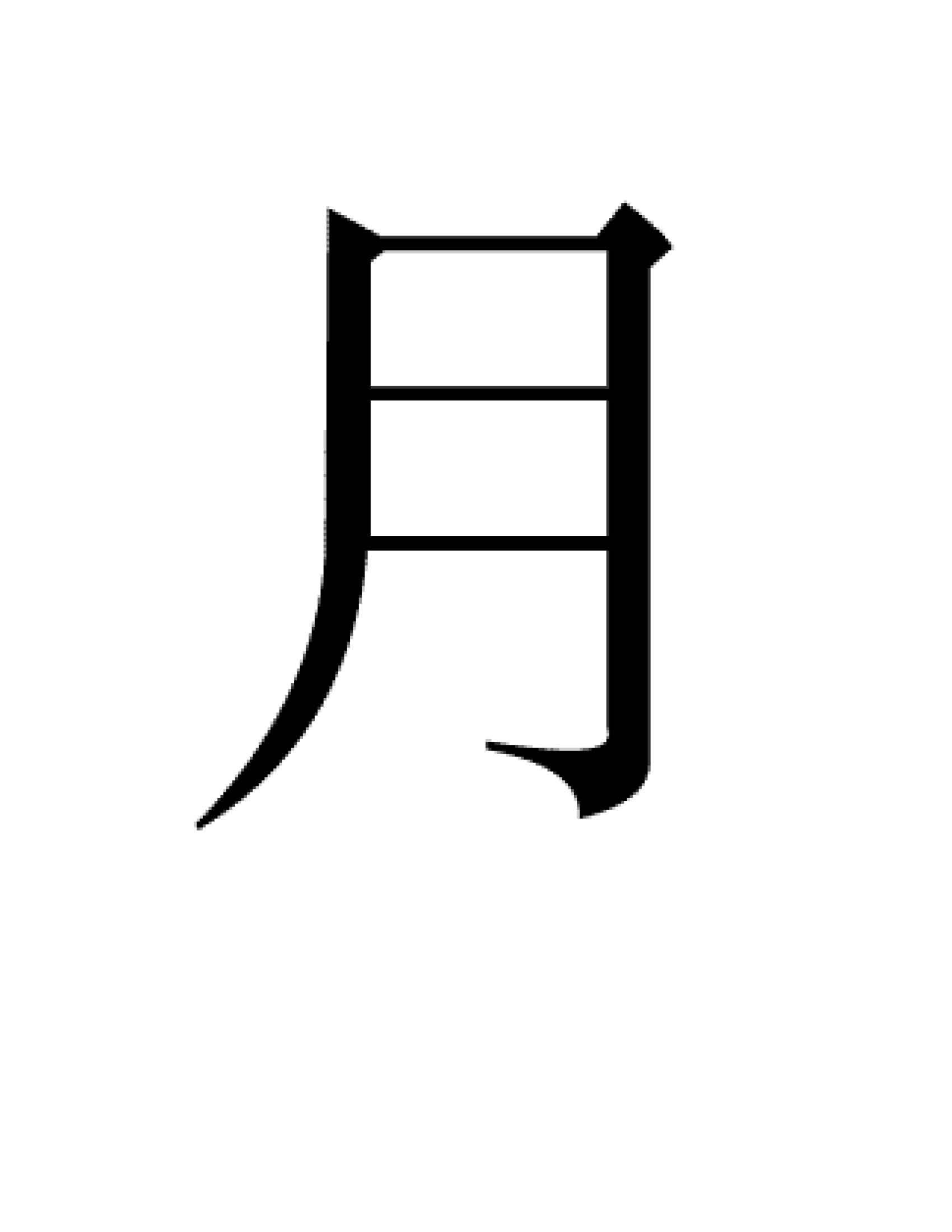
This is the character for "moon." |
|
|
|
|
|
|
|
|
|
|
|
|
|
|
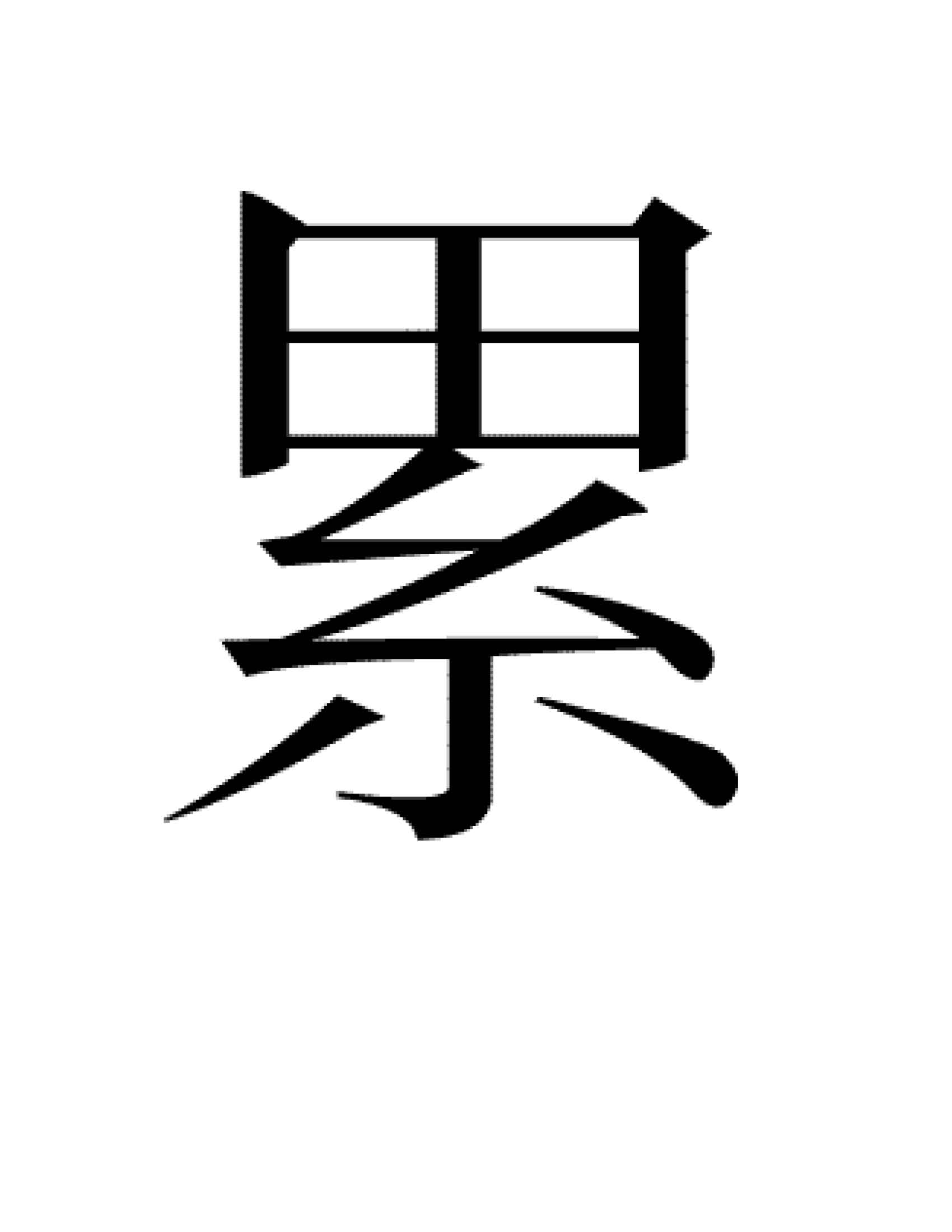
This is the character for "tired." See the rice paddy on top? That's where the man works all day. And below that is a representation for silk, on which the woman works all day. When the day is done, they're both tired. |
|
|
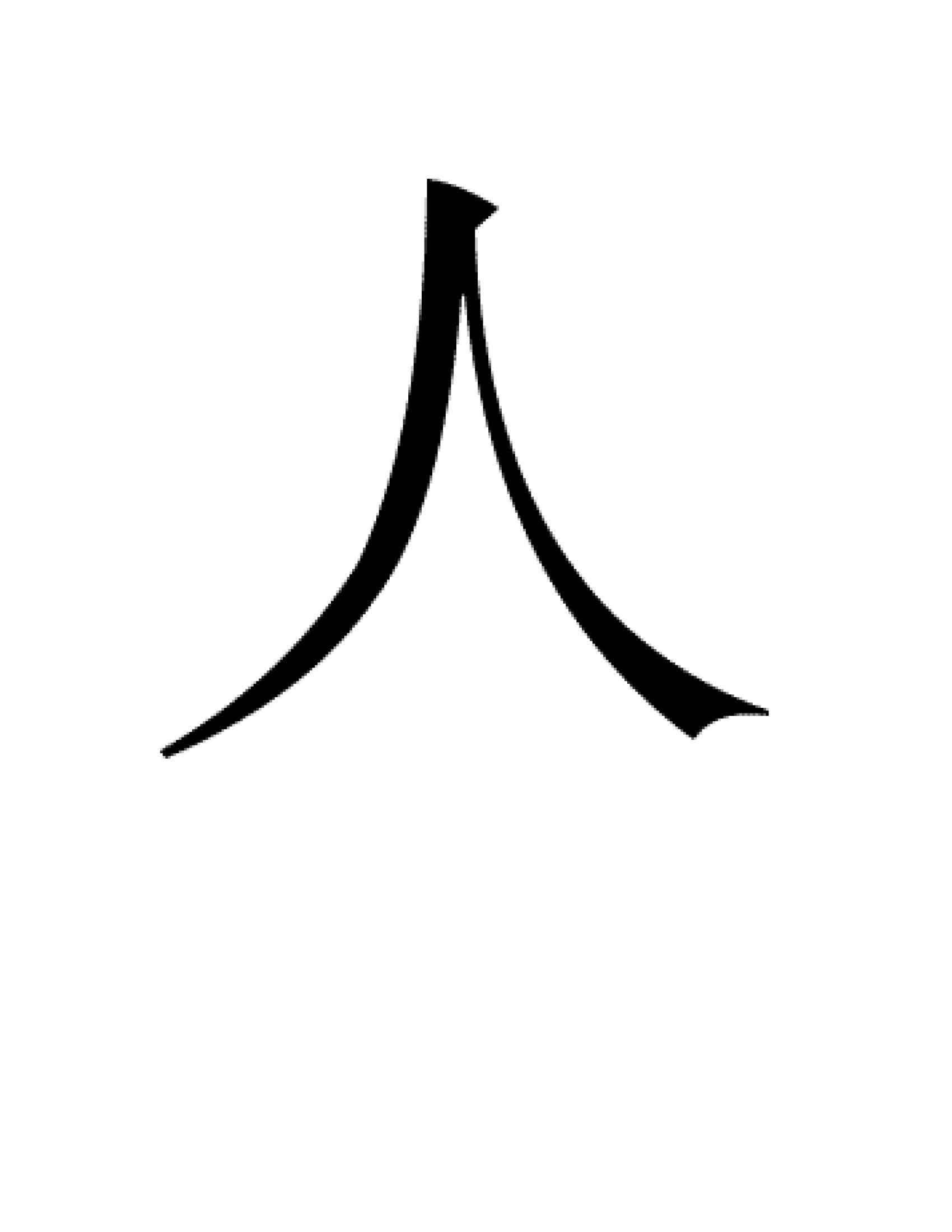
This is the character for "person." No person stands alone without the support of others. |
|
|
|
 |
|
|
|
|
|
|
 |
|
|
|
|
|
|
|
|
|
|
|
|
|
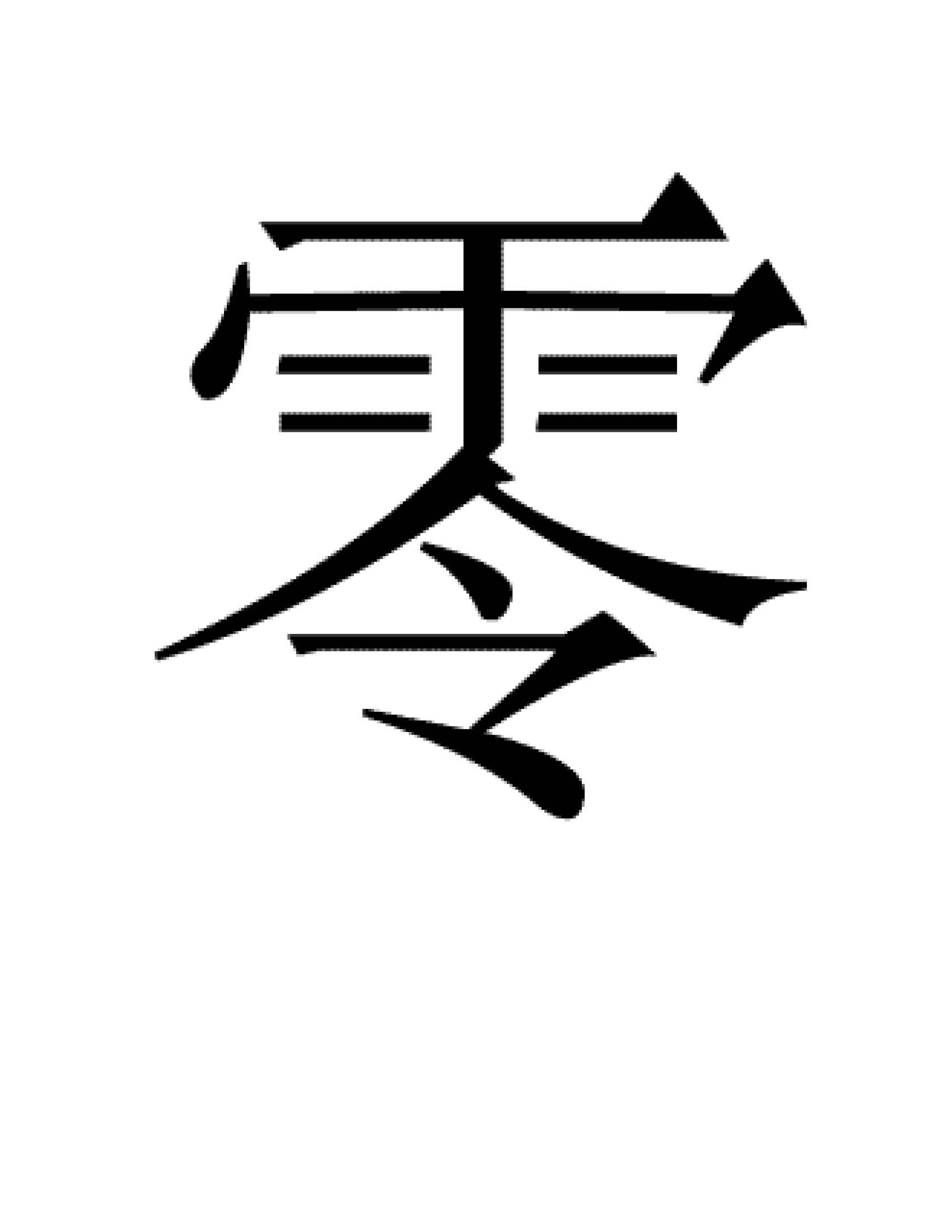
This is a lot of work to depict "zero." They often use our numbering system instead. |
|
|
|
The fact that Chinese is a pictographic language has interesting grammatical implications. For example, how do you make a picture plural? The answer is, you don't. You understand it from context. Same goes for verb tenses--there are none. There's just one character per verb, so you add |
|
|
 |
|
|
|
|
|
|
|
|
|
time words like yesterday or tomorrow to understand tense. And word order is important because nouns and adjectives don't have gender. All in all, quite fascinating to this lao ren who, up until now, thought |
|
|
foreign languages only required an assortment of alphabet, gender, number, tense, declension, and conjugation. |
|
|
|
BACK TO DATE PAGE |
|
|
|